

Milan Fashion Week 2026: Where Italian Heritage Meets the Future of Fashion
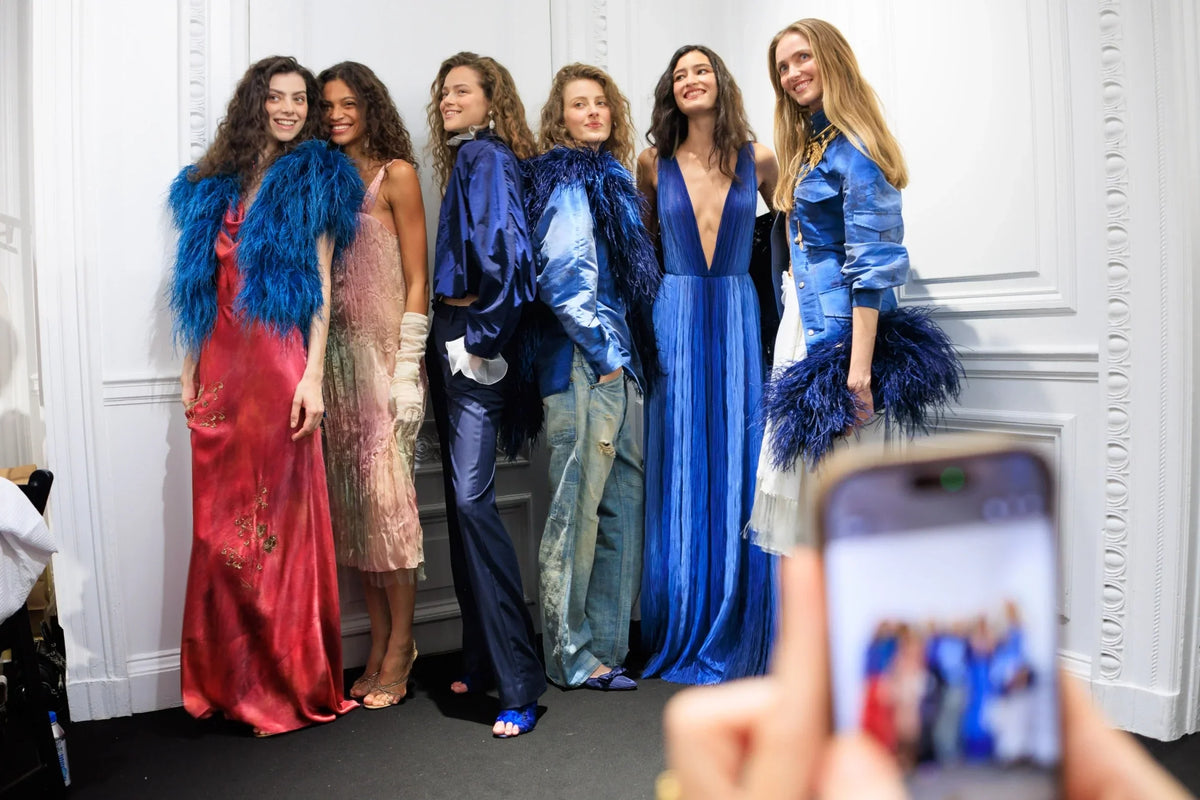
Following the New York and London stops of fashion month, the spotlight turned to Milan Fashion Week 2026. Taking place from September 22–28, Milan Fashion Week brought the story of Italian fashion’s journey from the past into the future to the forefront with its Spring/Summer 2027 collections. Fashion houses including Prada, Fendi, Gucci, Bottega Veneta, Dolce & Gabbana, Jil Sander, Marni and Giorgio Armani were among the names shaping the season, while Milan’s fashion agenda extended far beyond the runway.
One of the season’s most striking messages emerged through Vogue World: Milan 2026: Where the Future Is Made by Hand.
Bringing together Italy’s fashion heritage, traditional craftsmanship, technology, innovation and the textiles of the future, this approach highlighted why Milan is not only a fashion capital, but also a meeting point for creativity, research and innovation.

Where the Future Is Made by Hand: Italian Fashion From Past to Future
Set against the historic atmosphere of the Galleria Vittorio Emanuele II, Vogue World: Milan explored different eras of Italian fashion through five chapters: The Artisanal Revolution, The Industrial Revolution, Made in Italy, The Age of Intelligence and The Imagination Revolution.
At the heart of this narrative was an important question:
Will the future of fashion be shaped by technology or by the human touch?
Milan’s answer suggested that the two can exist together.
Centuries-old craftsmanship, couture techniques and Italian artisanal traditions are now meeting sustainable textiles, smart fabrics, innovative production methods and artificial intelligence within the same creative landscape.
For this reason, Milan Fashion Week 2026 revealed not only the trends of the new season, but also a broader transformation in the future of fashion.

Italian Craftsmanship: Fashion as an Art Form
The first chapter of Vogue World Milan brought Italy’s craftsmanship heritage, rooted in the Renaissance, back into the spotlight.
Lace, brocade, embroidery, handcraft and intricate surface details reminded us that fashion is about far more than simply creating garments.
One of the most striking names in this chapter was Gigi Hadid. Walking the runway in a couture creation by Valentino under Alessandro Michele, Hadid embodied the connection between traditional craftsmanship and contemporary couture.
The message was clear: no matter how far technology advances, the value of details created by the human hand remains an essential part of fashion.

The Industrial Revolution
The next chapter in the history of Italian fashion was The Industrial Revolution.
Inspired by Turin’s automotive and manufacturing heritage, this section focused on structured silhouettes, tailoring and the evolution of the Italian industry.
One of the most memorable looks from this narrative was Adriana Lima wearing a striped suit from Giorgio Armani’s Fall/Winter 1993 collection.
Returning to the runway more than three decades later, the archival look brought Armani’s interpretation of power dressing into the present. Its strong yet sophisticated silhouette represented the influence of industrialization on Italian fashion.
The Ray-Ban Meta glasses completing Adriana Lima’s look added another layer to the story: contemporary technology. An archival Armani design was therefore placed in direct dialogue with today’s technological world.

La Dolce Vita: Italian Glamour Takes the Stage Again
When it comes to Milan Fashion Week 2026, it is impossible to overlook the cinematic side of Italian fashion.
Vogue World Milan’s Made in Italy chapter drew inspiration from Federico Fellini’s cinema and the La Dolce Vitaaesthetic of the 1960s, reinterpreting the idea of the Italian diva. Color, prints, feminine silhouettes and glamorous evening looks defined the visual language of the chapter.
One of the most notable names within this atmosphere was Jennifer Lopez.
Walking the runway in a Dolce & Gabbana look, Lopez combined classic Italian glamour with a contemporary Hollywood interpretation. References to Anita Ekberg and Fellini’s La Dolce Vita aesthetic were particularly visible in the look.
The chapter celebrated the timeless allure of Italian fashion while once again highlighting why houses such as Dolce & Gabbana, Gucci, Prada, Versace, Pucci and Armani remain among the most recognizable names associated with the global language of Made in Italy.

The Age of Intelligence: Fashion Enters the Laboratory
Perhaps the most future-facing chapter of Milan Fashion Week 2026 was The Age of Intelligence.
Here, fashion was explored not only through aesthetics and design, but also through technology, performance and sustainability.
According to the Vogue World program, smart and sustainable textiles capable of responding to temperature, movement, performance and environmental conditions took center stage.
This approach positioned Milan as a place where fashion intersects with research, production and technology.
Bottega Veneta’s direction under Louise Trotter also reflected this evolving relationship. During Vogue World, Alex Consani appeared in a Bottega Veneta look that explored the relationship between material, movement and design.
Alicia Keys and the Future of Imagination in Fashion
One of the evening’s most memorable moments came from Alicia Keys.
As Keys performed at the piano in the center of the Galleria Vittorio Emanuele II, she wore a special creation developed by Francesco Risso for his new Bureau of Imagination project.
Created from fabric remnants and subsequently hand-painted, the dress represented the intersection of sustainability and individual creativity.
The look perhaps captured the essence of Where the Future Is Made by Hand better than any other: the future does not have to be entirely digital.
Sometimes, the most innovative design of the future can begin with a touch made by hand.

The Key Fashion Houses of Milan Fashion Week 2026
During the Milan Fashion Week SS27 season, fashion houses reinterpreted the codes of Italian fashion heritage through contemporary design. On one side, impeccable tailoring, feminine silhouettes and Italian glamour took center stage; on the other, material experimentation, deconstructed forms and unexpected styling shaped the season’s aesthetic language.
Opening the week, Prada presented one of the season’s most distinctive collections under the shared creative vision of Miuccia Prada and Raf Simons. Centering the entire collection around skirts across 63 looks, the house explored knee-length silhouettes through sheer fabrics, pleats, sequins and deconstructed surfaces. The transformation of a classic piece through different materials and proportions became one of the defining elements of Prada’s SS27 approach.

At Fendi, Maria Grazia Chiuri’s second ready-to-wear collection explored the relationship between the body, femininity and masculine-feminine codes. The collection approached the traditional boundaries of the women’s wardrobe through a more fluid silhouette, further establishing the new aesthetic direction Chiuri is shaping at Fendi.

Jil Sander, under Simone Bellotti, disrupted the disciplined structure of tailoring through unexpected styling details. Sharp forms and controlled silhouettes were combined with more liberated and contemporary combinations, adding a new sense of movement to the brand’s minimalist identity.
Marni, meanwhile, placed the transformation of materials at the heart of Meryll Rogge’s second season. Handmade-looking surfaces, contrasts between light and heavy materials and tactile details continued to define Marni’s experimental universe for SS27.
One of the most anticipated stops of the week, Gucci, continued to develop the aesthetic codes of its new era with Demna’s second ready-to-wear season in Milan. The house’s heritage was reinterpreted through Demna’s contemporary and distinctive design language.

At Bottega Veneta, Louise Trotter explored the relationship between material, movement and modern luxury. The house’s strong Italian craftsmanship heritage was given a contemporary perspective through dynamic silhouettes and material-focused design details.
Ferragamo continued its modern and sophisticated aesthetic under Maximilian Davis, while Dolce & Gabbana brought the more theatrical, glamorous and dramatic side of Italian fashion to the runway. Together, the two houses represented different yet complementary interpretations of Milanese luxury.
The week concluded with one of the most established names in Italian fashion, Giorgio Armani. SS27 therefore came to a close with a season where Milan’s historic design heritage and its forward-looking creative exploration met on the same fashion stage.

The Future of Fashion: Technology, Sustainability, and Timeless Design
The Age of Intelligence approach highlighted at Milan Fashion Week 2026 invites us to reconsider the future of fashion not only through new technologies, but also through materials, production and sustainability. As technology creates new possibilities for the fashion industry, one value remains equally important: the longevity of design.
Moeva’s design philosophy intersects with this idea through its focus on timelessness, quality and conscious consumption. Rather than following the accelerated cycles of fast fashion, Moeva focuses on strong silhouettes, an original design language and pieces that can remain relevant across seasons, embracing the idea that a garment should become part of a wardrobe for years to come rather than exist for a single season.
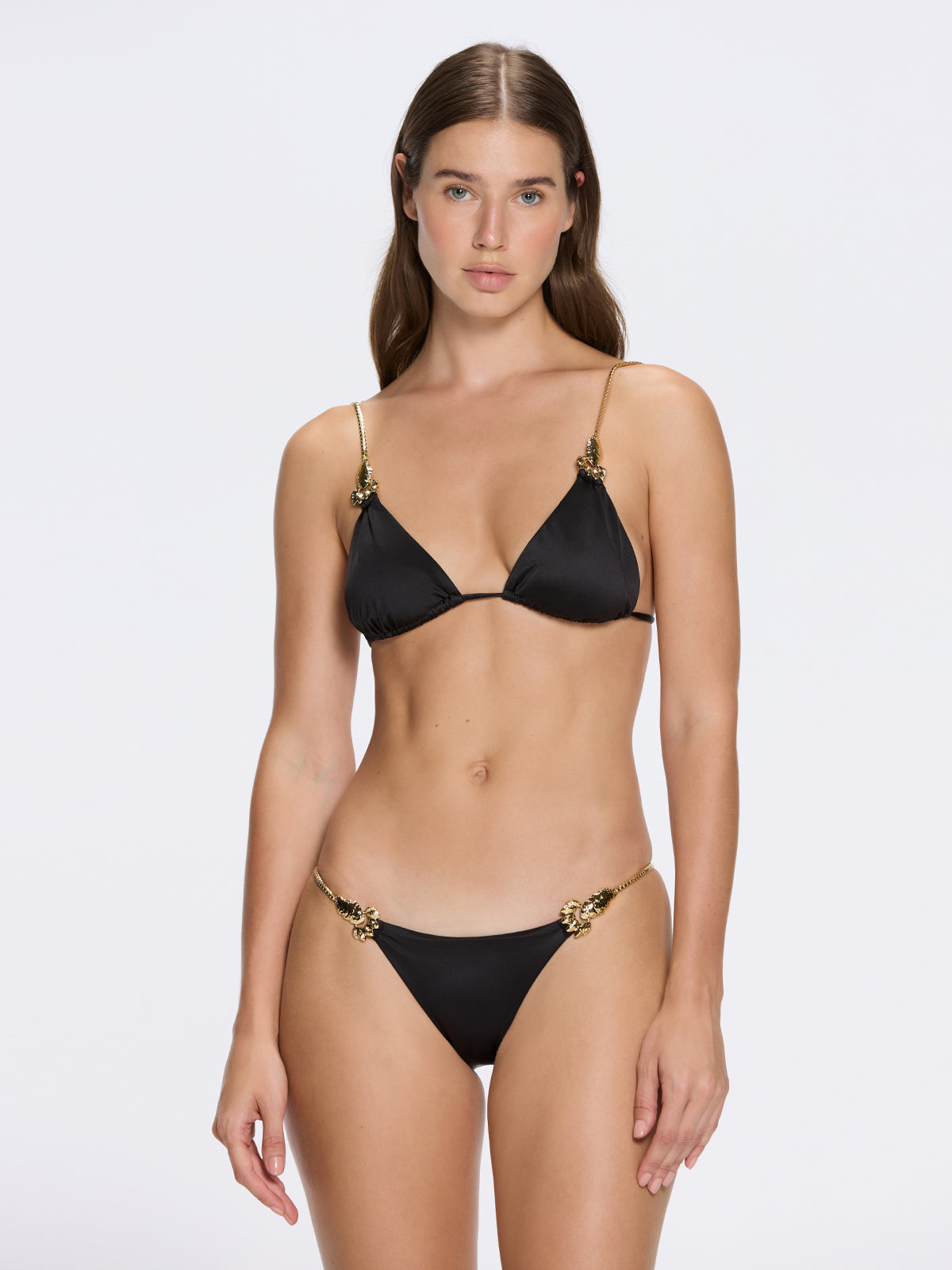
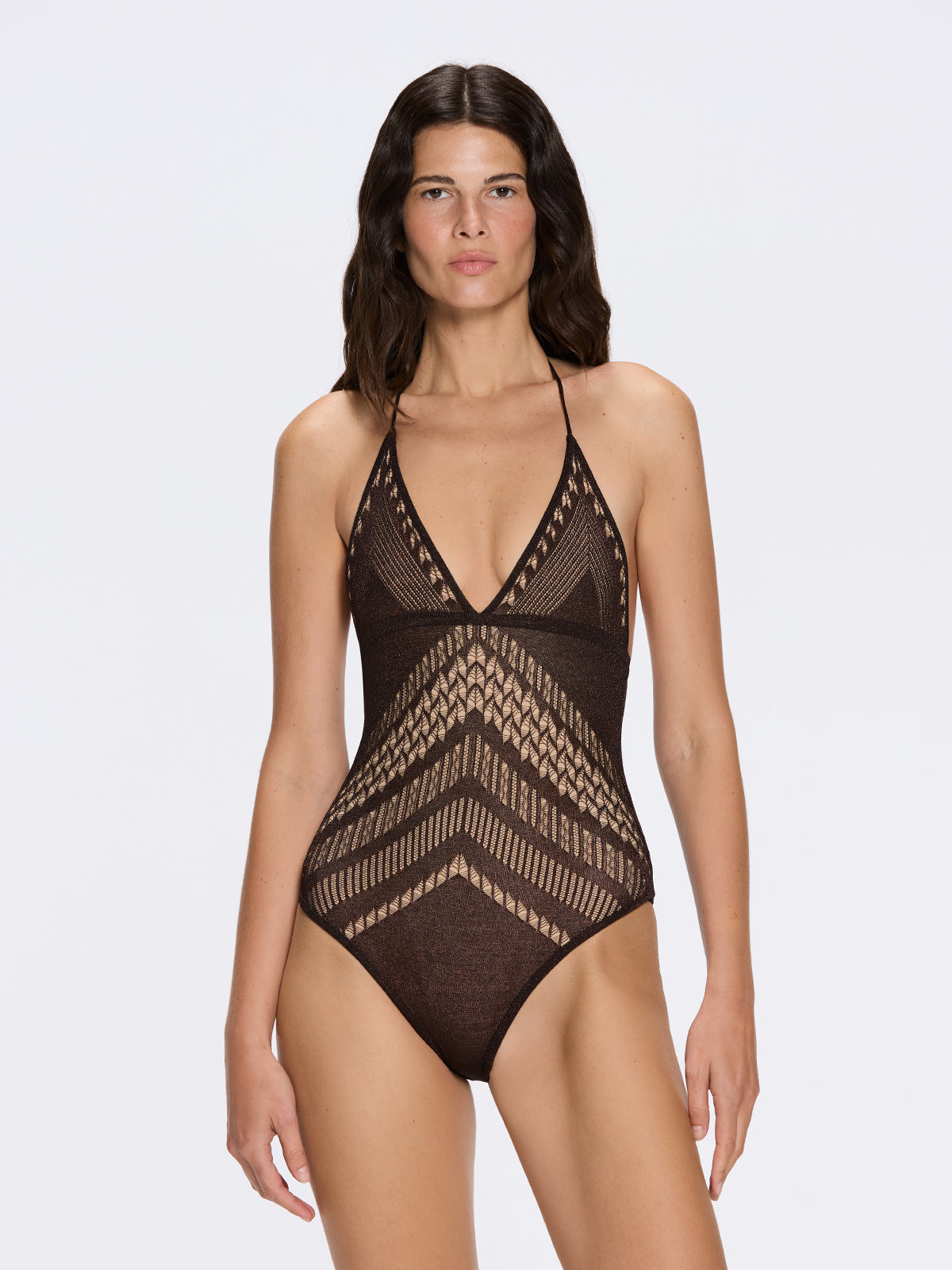
This approach takes on a different meaning within the world of beachwear and resortwear. A swimsuit or resortwear piece can move beyond being a seasonal garment reserved for the beach, becoming part of a wardrobe that transitions from vacation to city life and from day to night.
MOEVA's design philosophy offers a perspective on the future of fashion: designing more meaningfully rather than simply producing more.

As technology creates new possibilities for the fashion industry, sustainability is increasingly connected not only to production technologies, but also to the way we consume. Long-lasting design, quality materials and versatile pieces that can be styled in different ways can extend the life and possibilities of a garment, supporting a more timeless approach to dressing.
The future of fashion, therefore, does not necessarily mean a completely digital world. It can be a balance in which technology drives innovation while design preserves the human touch and the value of timelessness.
This is where Milan’s Where the Future Is Made by Hand message becomes particularly meaningful. The future does not have to leave craftsmanship behind; instead, it can reinterpret traditional skills through new technologies and a more conscious approach to design.
For Moeva, this future is expressed through strong silhouettes, timeless pieces and a versatile wardrobe that moves from beachwear and resortwear to the city and beyond.

Milan Fashion Week 2026: From the Past to the Future
Milan Fashion Week 2026 revealed the powerful connection between the past and the future of Italian fashion for the SS27 season. From craftsmanship and the Made in Italy legacy to the timeless glamour of La Dolce Vita and from strong silhouettes to technology, sustainability and next-generation textiles, the season demonstrated Milan’s continuing role in shaping the language of fashion. With fashion houses including Prada, Gucci, Fendi, Bottega Veneta, Dolce & Gabbana, Valentino and Giorgio Armani, alongside standout appearances from Gigi Hadid, Adriana Lima, Jennifer Lopez, Alicia Keys and Alex Consani, Milan delivered one of the most compelling fashion stories of SS27. Ultimately, Milan Fashion Week 2026 offered a vision of the future where innovation, craftsmanship, creativity and timeless design exist side by side.